

Podcasting has exploded in popularity, with millions of shows vying for listeners' attention. At Cajabra, LLC, we know that standing out requires more than just hitting record and hoping for the best.
A well-crafted podcast content plan is the secret weapon that can elevate your show from amateur to professional. This guide will walk you through the essential steps to create a content strategy that keeps your audience coming back for more.
At Cajabra, LLC, we've observed that podcasts often falter when they attempt to appeal to everyone. A successful podcast requires a laser-focused audience. Ask yourself: What unique perspective can you offer? You might be an accountant who excels at explaining complex tax laws in simple terms. Or perhaps you're a history enthusiast passionate about untold stories of local heroes. Your niche should combine your expertise with your passion.
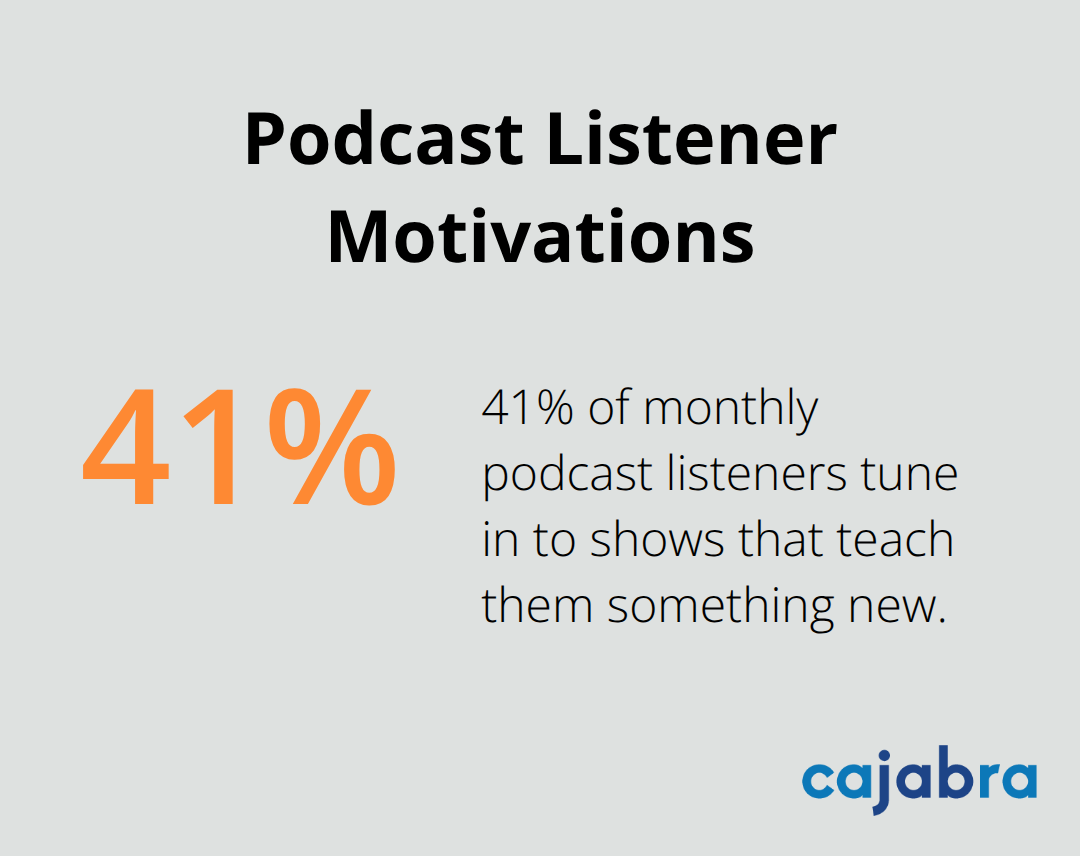
A 2023 study by Edison Research revealed that 41% of monthly podcast listeners tune in to shows that teach them something new. This statistic underscores the importance of bringing valuable, specialized knowledge to your audience.
After you identify your niche, it's time to understand your potential listeners. Use social media listening tools to track conversations related to your topic. Join online forums and Facebook groups where your target audience congregates. Pay attention to the questions they ask and the problems they face.
Take your research and create listener personas. These are fictional representations of your ideal listeners. Give them names, jobs, and backstories. Consider their goals, challenges, and how your podcast fits into their daily lives.
For example, if you're creating a podcast about personal finance for millennials, one of your personas might be "Sarah, a 28-year-old marketing manager who wants to buy her first home but struggles with student loan debt."
These personas will provide a clear picture of who you're addressing every time you record. This approach will make your content more focused, relatable, and valuable to your listeners.
With your niche defined and personas created, you can now tailor your content to meet your audience's specific needs. Try to address their pain points, answer their questions, and provide solutions to their challenges. This targeted approach will set you apart in the crowded podcasting landscape.
Don't stop at creating personas. Actively engage with your real listeners. Encourage feedback through social media, email, or your podcast's website. This interaction will help you refine your understanding of your audience and continually improve your content.
As you move forward with your podcast planning, the next crucial step is to generate and organize your episode ideas. This process will ensure that you consistently deliver content that resonates with the audience you've now clearly defined.
At Cajabra, LLC, we believe the key to a successful podcast lies in its content. To generate compelling episode ideas, start with mind mapping techniques. Place your podcast's main theme in the center and branch out with related subtopics. For example, if your podcast focuses on personal finance for millennials, your branches might include budgeting, investing, debt management, and side hustles.
Content Marketing Institute suggests creating an effective content calendar that easily adapts to new initiatives, centralized planning, and tracking. You can apply this insight to your podcast by transforming your mind map into a structured content plan.
Consistency plays a vital role in podcasting. Develop a content calendar that outlines your episodes for at least the next three months. This approach allows you to maintain a regular publishing schedule and gives you time to prepare high-quality content.
Use tools like Trello or Asana to organize your ideas and track your progress. Assign specific dates to each episode topic and include notes on potential guests or resources you'll need.
Variety keeps your podcast fresh and appealing to different listener preferences. Plan for a mix of episode formats:
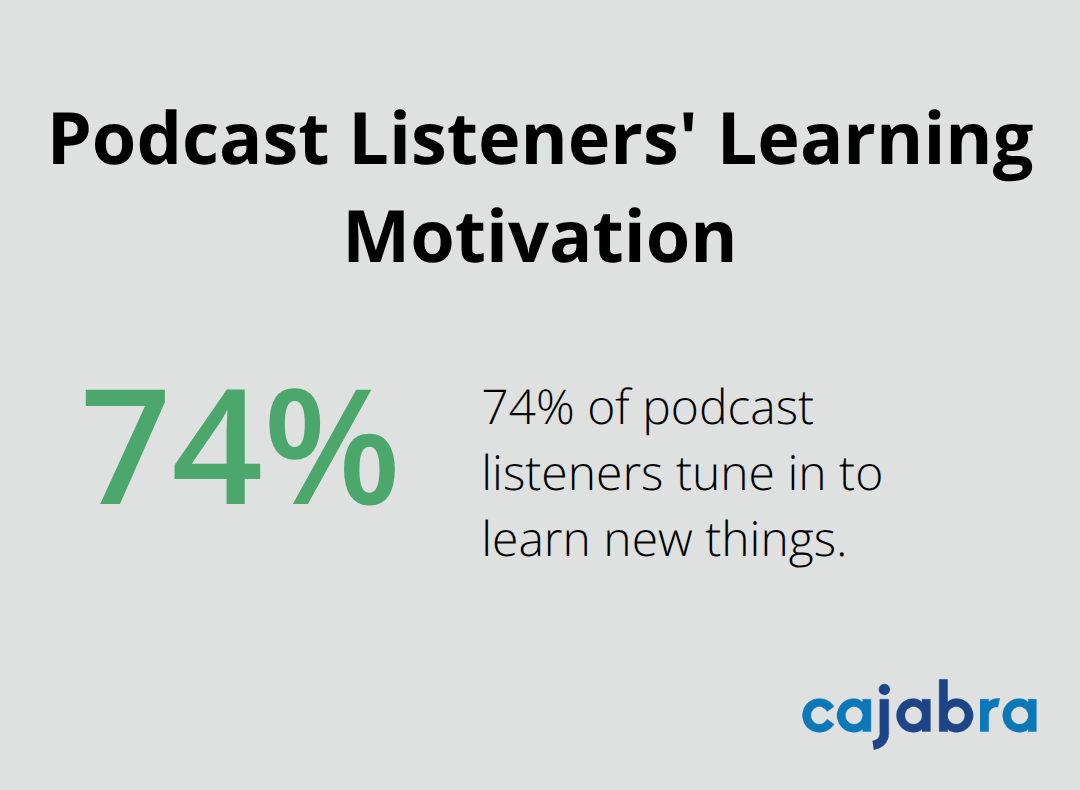
According to Edison Research, 74% of podcast listeners tune in to learn new things. By varying your formats, you cater to this desire for diverse knowledge and keep your content dynamic.
Ensure each episode aligns with your listener personas. For example, if you're targeting "Sarah," the 28-year-old aspiring homeowner, you might plan an interview with a mortgage expert or a solo episode on creative ways to save for a down payment.
These strategies will help you create a content plan that keeps you organized and ensures your podcast delivers value consistently. With a solid foundation of ideas, you're ready to structure your individual episodes for maximum impact (which we'll explore in the next section).
To create content that resonates with your audience, use marketing tools like Google Analytics and social media insights to gather data on your current listeners.
The first 30 seconds of your podcast determine whether listeners will stick around. NPR's This American Life, one of the most popular podcasts globally, often starts with a brief, intriguing anecdote related to the episode's theme. This technique, known as a "cold open," immediately captures the listener's attention.
To create an effective hook:
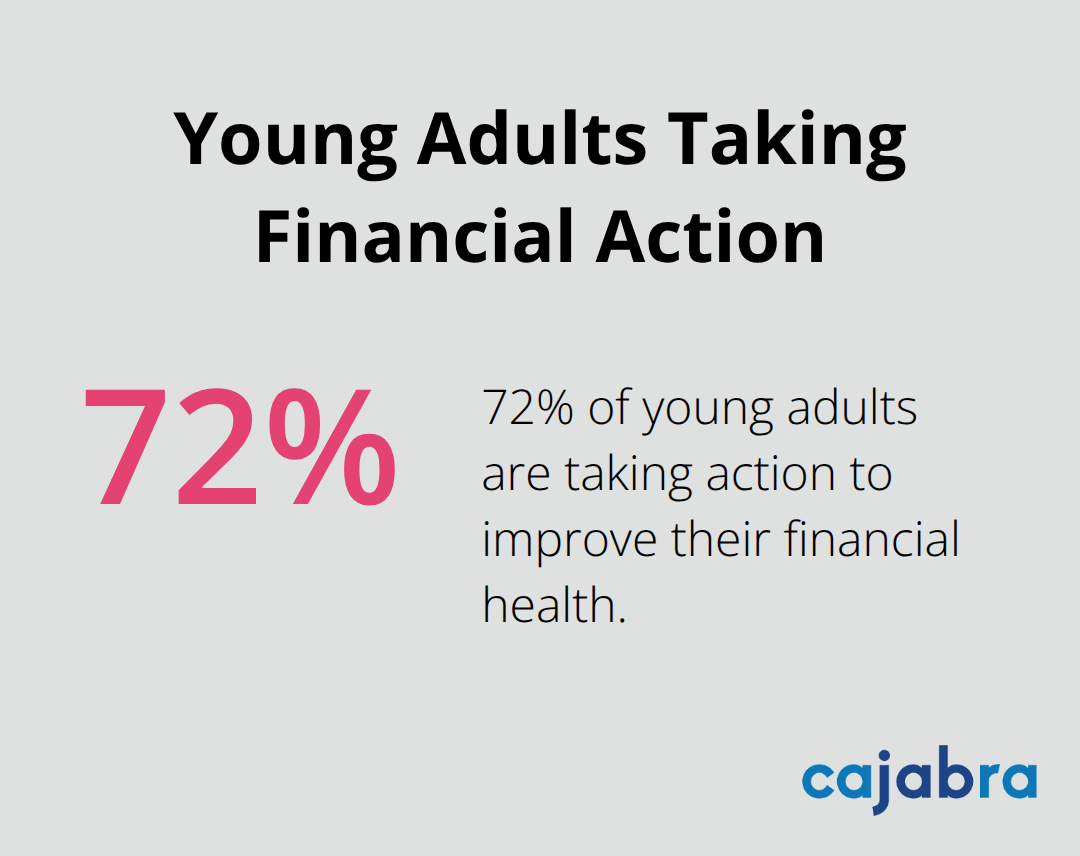
For example, a personal finance podcast might start with: "What if I told you that 72% of young adults are taking action to improve their financial health? Today, we'll explore how."
After you hook your listeners, guide them through your content with clear segments. Each segment should focus on a specific subtopic or point related to your main theme.
A typical 30-minute episode might follow this structure:
Use transition phrases or short music clips to signal the shift between segments. This helps listeners follow the flow of your content and maintains their attention throughout the episode.
The conclusion of your podcast leaves a lasting impression and encourages listeners to take action.
Effective ways to conclude your episode include:
Include a consistent sign-off phrase. This becomes part of your brand and signals to listeners that the episode is wrapping up.
While variety in content keeps your podcast fresh, consistency in structure helps listeners know what to expect. Try to maintain a similar format across episodes (while allowing for flexibility when needed).
This consistency applies to:
Incorporate storytelling elements to make your content more engaging and memorable. This can include:
These techniques help listeners connect emotionally with your content and improve information retention.
Consider transforming a blog post into a podcast episode to diversify your content and cater to different audience preferences. This approach can save time and expand your reach across various content formats.
A podcast content plan serves as the foundation for a successful show. We at Cajabra, LLC understand the importance of a strong content strategy in marketing. Your plan should evolve with your show and audience, adapting to feedback and performance insights.
The podcasting landscape changes rapidly, so you must review and update your content plan regularly. Try new topics, formats, and guest speakers to maintain fresh and exciting content. Consistency in publishing schedule and episode structure will help you build a loyal listener base.
As you implement your podcast content plan, focus on delivering value to your listeners with every episode. A solid strategy can transform your podcast into a powerful tool for brand building and audience connection. For more insights on content marketing strategies, explore our resources at Cajabra, LLC.