

Most businesses waste months creating random content that never gains traction. Content pillars change that by giving your strategy a clear foundation.
At Cajabra, LLC, we've seen firsthand how organizing content around core pillars transforms visibility and authority. This approach works because it signals expertise to search engines and keeps your audience engaged across multiple touchpoints.
Content pillars are three to five broad topics that define everything your business publishes. They're not vague themes-they're specific subject areas directly tied to what your audience searches for and the problems they need solved. A pillar differs from random blog posts because it becomes the central hub for multiple related articles, videos, and resources that all reinforce each other. Think of a pillar as the main topic, with dozens of supporting articles clustering around it. For accounting firms, a pillar might be Tax Planning Strategies, while supporting content covers quarterly tax deadlines, deduction tracking, and year-end planning. Search engines reward this structure because it shows depth of knowledge. Google's helpful content guidelines emphasize that topical authority matters-sites that thoroughly cover a subject from multiple angles rank better than those jumping between unrelated topics. When you organize content this way, you signal to search engines that you're the go-to resource for specific subjects, not just another generic publisher.
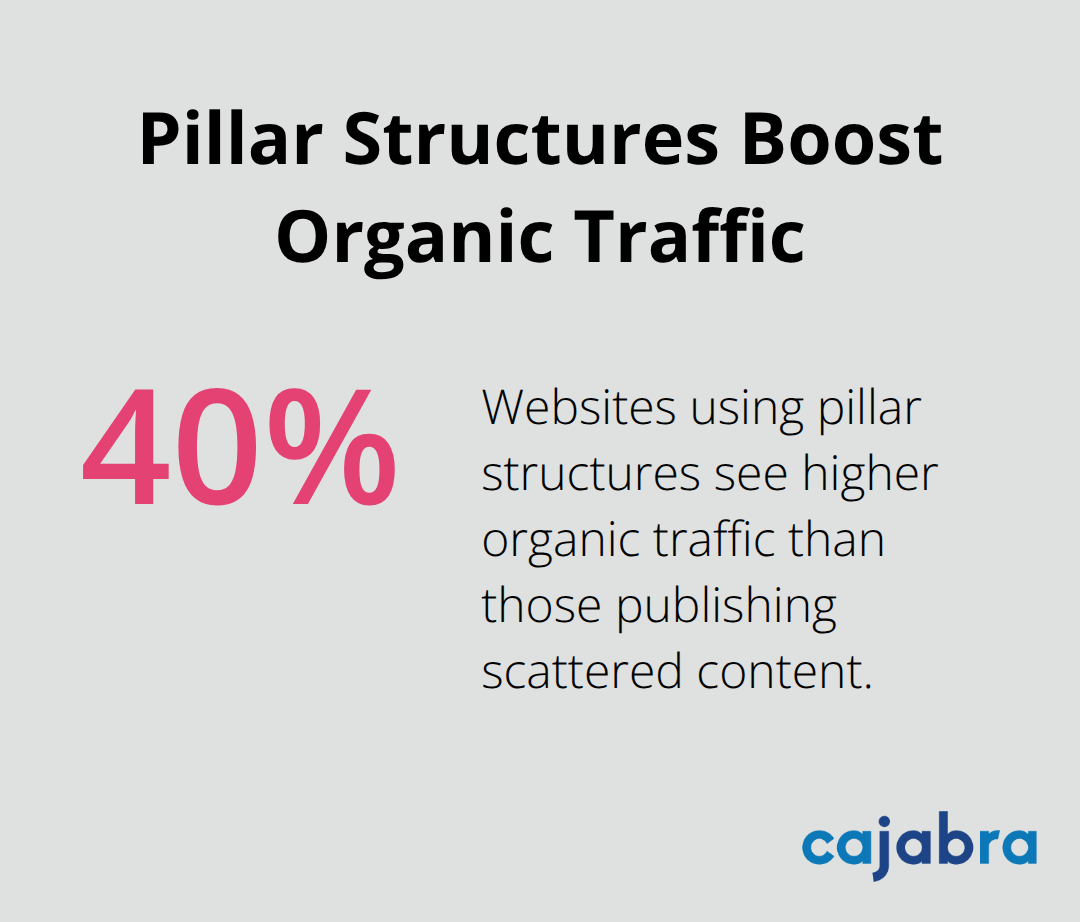
Content pillars directly impact how search engines categorize your authority. According to research on topic clustering from SEO specialists, websites using pillar structures see 40 percent higher organic traffic than those publishing scattered content. The reason is straightforward: when ten articles internally link back to one pillar page, search engines understand that page represents comprehensive coverage of a topic.
This matters because search algorithms now prioritize topical authority over individual keyword rankings. A single high-quality pillar page surrounded by cluster content outperforms five disconnected posts targeting the same keywords. For accounting firms specifically, this means one definitive guide on tax deductions supported by articles on specific deduction categories will rank higher than five separate posts competing against each other. Your audience also benefits because they can navigate from one related resource to another without leaving your site, which reduces bounce rates and increases time spent on your domain-both signals that search engines interpret as quality.
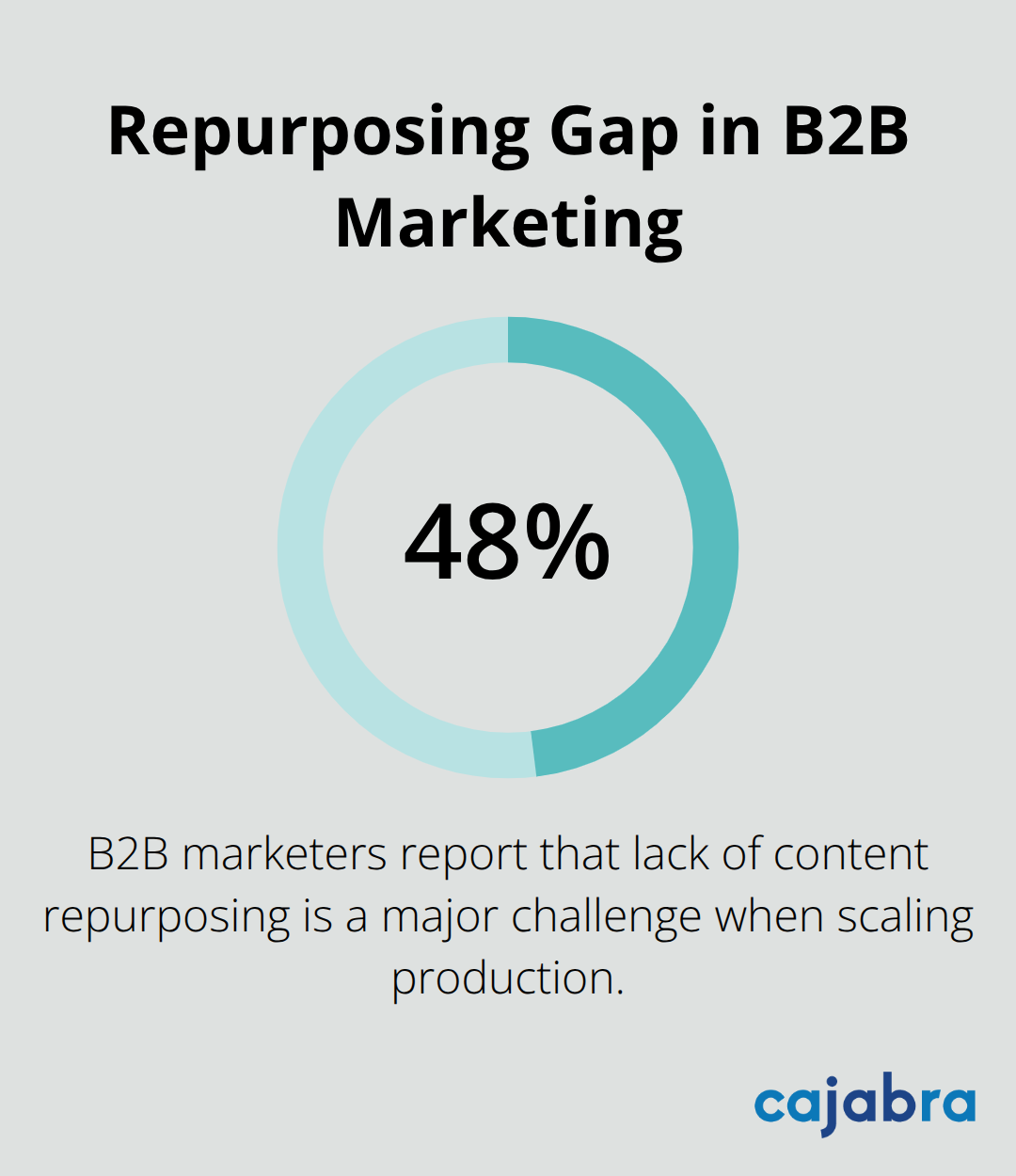
Pillars create a repeatable content system that maintains consistency without requiring constant creative invention. When you know your five pillars, you can plan months of content in advance because each pillar naturally generates multiple subtopics. This consistency matters more than most businesses realize: 68 percent of organizations report that content consistency contributed at least 10 percent to revenue growth, according to Buffer research. Your audience learns to expect content from you on specific topics, which builds habit and loyalty. An accounting firm with pillars around tax planning, financial analysis, business growth strategies, and compliance can publish weekly content that readers anticipate and trust. Pillars also simplify repurposing: one pillar article becomes a LinkedIn post, an email series, a short-form video, and an infographic. This approach solves a real problem-48 percent of B2B marketers report that lack of content repurposing is a major challenge when scaling production. Instead of creating entirely new ideas for each platform, you extend one core idea across multiple formats, which saves time while amplifying your message.
Understanding what pillars are matters far less than identifying which pillars will actually work for your business. The next section walks you through the research process that reveals which topics your audience truly cares about and which gaps exist in your competitor's content strategies.
Start with what your audience actually searches for, not what you think they need. Google Search Console reveals which queries bring people to your site right now-this shows genuine pain points rather than assumptions. If you manage an accounting firm, you'll likely find searches like quarterly tax deadlines, deduction strategies, or payroll compliance dominating your data. AnswerThePublic shows you the exact questions people type into Google within your niche, and these questions become your pillar foundation. Surveys with existing clients uncover what topics they wish you covered more often, what confused them before hiring you, and what they research most frequently. The difference between guessing and knowing is the difference between pillars that attract an audience and pillars that sit dormant.
Your competitors' websites reveal massive gaps you can exploit. Visit their blogs and note every topic they cover repeatedly-those are their pillars. Then search for related topics they completely ignore. If competitors publish extensively about tax deductions but never cover quarterly estimated tax payments, that's your opening. Audience research and competitive analysis show which pages drive the most organic traffic to competitor sites. Those high-traffic pages are their pillar content, and you now know exactly what resonates in your market. The real advantage comes from finding the topics they touch lightly but never fully develop. An accounting firm might notice competitors mention business structure optimization but never create a comprehensive guide comparing LLCs, S-Corps, and C-Corps across different scenarios. That becomes your pillar-something deep enough to demonstrate real expertise.
Your pillar content must be genuinely comprehensive, not just longer versions of existing posts. A pillar content that answers every reasonable question should cover individual tax planning, business tax planning, and specialized strategies like charitable giving and retirement contributions all in one authoritative resource. Internal links from your supporting cluster content back to this pillar page signal to search engines that this is your definitive treatment of the subject. Update these pillar pages quarterly with new tax law changes, updated statistics, and fresh examples. Stale content loses ranking power, especially in regulated industries where accuracy matters.
Your pillar pages should target your highest-value keywords-the ones that indicate someone is serious about your services, not just casually researching. For accounting firms, this means pillars around financial optimization rank higher priority than general financial literacy content. Try making each pillar page scannable with clear headings, a table of contents at the top, and visual elements that break up text. Most visitors won't read your entire pillar in one sitting, but a well-structured page keeps them engaged and returning. The goal is making your pillar pages the resource people bookmark and reference repeatedly, not pages they visit once and forget.
With your pillars identified and your foundational content built, the next step involves organizing how these pillars work together across your entire content ecosystem. The structure you create now determines whether your content compounds in value or remains scattered across your site.
Once your pillars are identified, the real work starts: organizing your content ecosystem so everything reinforces itself. Most businesses fail here because they build pillar pages but never connect them strategically to supporting content. Your pillar page sits alone while cluster articles scatter across your site with no internal linking strategy, which means search engines see disconnected posts instead of an organized knowledge base.
The structure that matters most is how you link cluster content back to pillar pages and how you organize your publishing calendar to maintain consistent coverage. Start by mapping every article you plan to write under each pillar and assign them to publishing slots across the next six months. If you have five pillars and publish two articles weekly, you should hit each pillar approximately twice monthly. This rotation ensures you build depth in each pillar rather than publishing heavily on one topic for two weeks then abandoning it.
An accounting firm with pillars around tax optimization, financial analysis, business structure, payroll compliance, and retirement planning should distribute their publishing schedule so every pillar receives fresh content every 30 days. This consistency signals to search engines that you actively develop expertise in all five areas, not just one.
The internal linking strategy determines whether your cluster content actually strengthens your pillar pages. Every supporting article must link back to the relevant pillar page at least twice, preferably in the opening paragraph and within the body where context makes sense. If you publish an article about quarterly estimated tax payments, that article links to your tax optimization pillar page because quarterly payments fall under that broader topic.
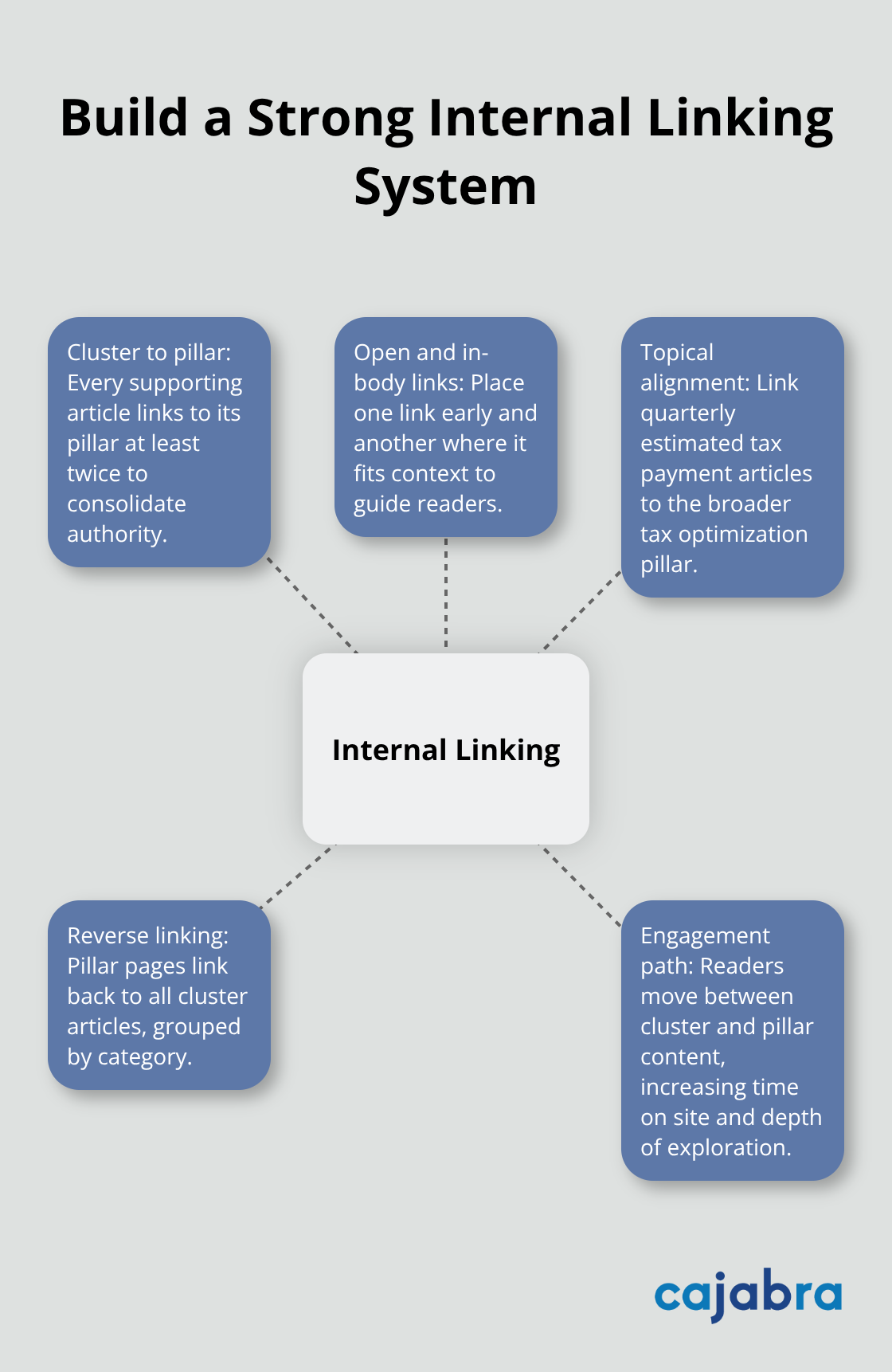
Reverse linking matters too: your pillar page should link to every cluster article beneath it, organized by category. A comprehensive pillar page on tax optimization might have sections like Individual Tax Strategies, Business Tax Strategies, and Advanced Planning Techniques, with each section linking to supporting articles. This structure creates a web where visitors enter through cluster content, navigate to the pillar for comprehensive coverage, then explore related cluster articles without leaving your site. The navigation pattern keeps people engaged while signaling topic authority to search engines.
Tools like SEMrush or Ahrefs show you exactly how many internal links point to each page, helping you identify pillar pages that need more cluster support or cluster articles that lack proper connection. If a pillar page receives fewer than five internal links from cluster content, you haven't built enough supporting material yet. This metric reveals whether your linking strategy actually works or whether you've created pillar pages that sit isolated from your broader content ecosystem.
Content pillars compound authority over months and years as each article you publish strengthens that pillar's ranking power. Accounting firms that commit to pillar-based strategies see organic traffic accelerate after six months because search engines recognize the depth of coverage. The authority you build becomes defensible since competitors cannot easily replicate years of interconnected, comprehensive content around your core topics.
Measuring pillar success requires tracking metrics that actually matter: organic traffic by pillar shows which topics attract your audience, time on page reveals whether visitors explore related articles, and conversion rates by pillar identify which topics bring qualified leads closest to becoming clients. Set a baseline in Google Analytics today and tag all content by pillar so you can track performance separately. After three months, real data will show which pillars work and which need adjustment.
Implementation starts with choosing your three to five pillars based on audience research and competitive analysis, then building your first pillar page within two weeks. Commit to publishing two cluster articles monthly under each pillar to build momentum without overwhelming your team. At Cajabra, LLC, we help accounting firms structure their entire content strategy around pillars through our Premium Online Presence Package, which ensures your content reaches ideal clients and converts them into retainer-based relationships.