

Content creators face a constant challenge: generating fresh blog content ideas that resonate with their audience. The pressure to publish regularly while maintaining quality can feel overwhelming.
We at Cajabra, LLC understand this struggle. That's why we've compiled proven strategies and tools that successful content creators use to build sustainable content pipelines and keep their audiences engaged.
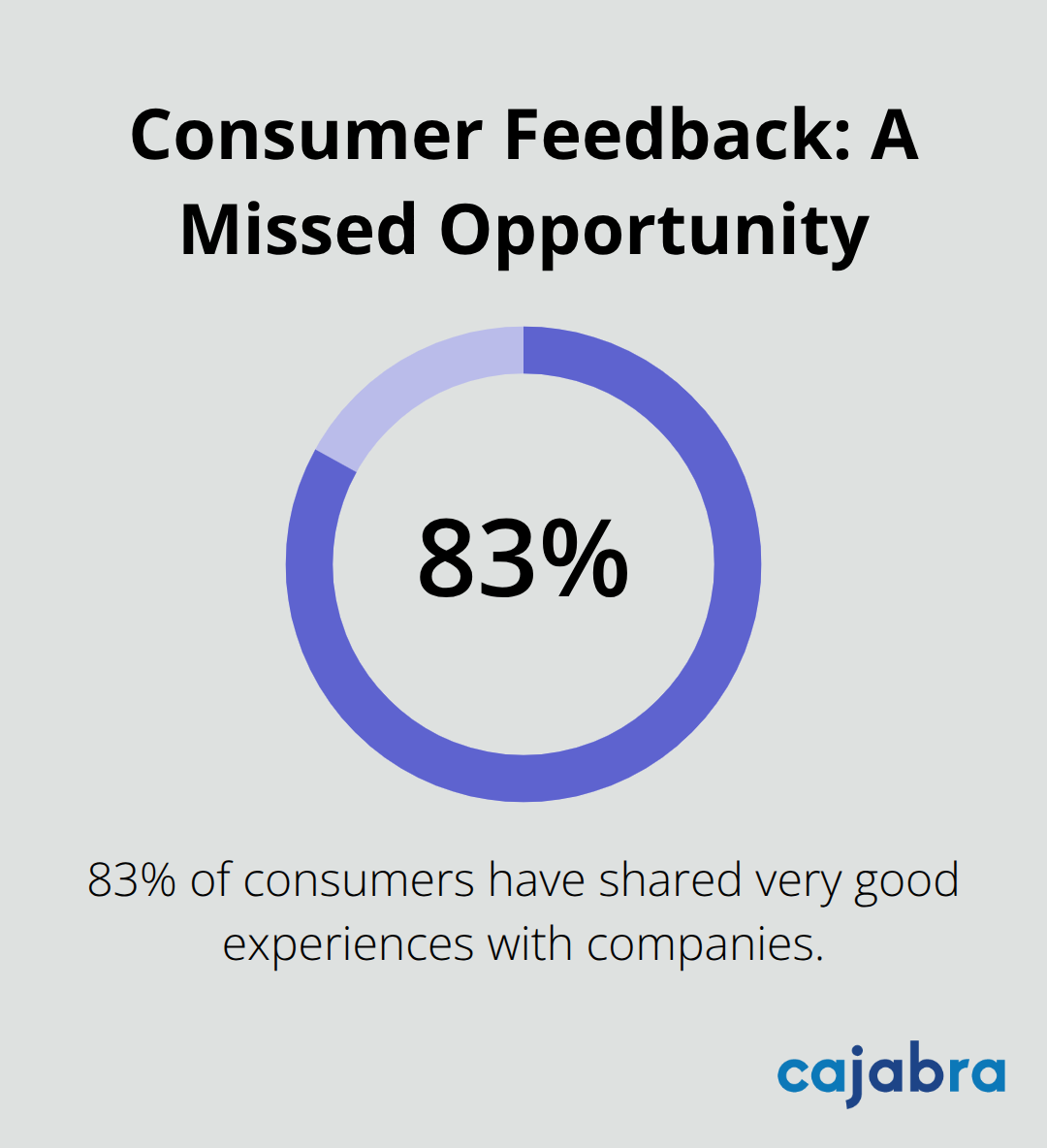
Most content creators think they know their audience, but 83% of consumers have shared very good experiences with companies, yet few creators actually ask for feedback. The biggest mistake is creating content based on assumptions rather than real data.
Start with Google Analytics to identify your top-performing posts and examine the demographic data. Look at age ranges, geographic locations, and device usage patterns. Then dig deeper into social media insights from platforms where your audience is most active. Facebook Insights, Instagram Analytics, and LinkedIn Analytics reveal engagement patterns that show what content formats and topics generate the strongest response. These platforms provide concrete data about when your audience engages most and which post types drive the highest interaction rates.
Your audience's pain points are content gold mines, but surface-level problems won't cut it. Use tools like AnswerThePublic to find the questions people actually search for in your niche. Monitor comment sections on your existing posts and competitor content to spot recurring frustrations. Join Facebook groups and LinkedIn communities where your target audience gathers. Reddit threads in relevant subreddits often reveal deeper concerns that people won't share publicly elsewhere (these conversations tend to be more honest and detailed). The key is moving beyond obvious problems to uncover the underlying frustrations that keep your audience awake at night.
Social listening goes beyond hashtag monitoring. Use BuzzSumo to track high-performing content in your industry and identify emerging topics before they become saturated. Google Trends shows you when interest in specific topics peaks, allowing you to time your content perfectly. Set up Google Alerts for industry keywords and competitor brand names. Twitter's advanced search function helps you find real-time conversations about problems your content could solve (this feature often reveals immediate opportunities). The goal is spotting content opportunities while they're still fresh, not after everyone else has covered the same ground.
With a clear picture of your audience's needs and interests, you can now explore proven methods that transform these insights into compelling content ideas. Creating detailed buyer personas helps you understand exactly who you're writing for, while developing a monthly content plan ensures your content consistently addresses their specific needs.
The most effective content creators follow systematic approaches rather than wait for inspiration. Start with keyword research tools like SEMrush, Ahrefs, or Google's Keyword Planner to identify search terms with moderate competition but high intent. Focus on long-tail keywords that reveal specific problems your audience faces. Google Trends data shows seasonal patterns that help you time content perfectly-tax-related content peaks between January and April for accounting firms. Search for keywords with monthly search volumes between 100-1,000 rather than highly competitive terms with 10,000+ searches. These mid-range keywords often convert better because they target people with specific needs.
Professional content creators use data to guide their topic selection. SEMrush reveals which keywords your competitors rank for but you don't, creating immediate content opportunities. Ahrefs shows you the questions people ask about your industry topics through their "Questions" feature. Google's Keyword Planner provides search volume data that helps you prioritize topics with real demand. Try keywords with 500-2,000 monthly searches instead of chasing high-volume terms that major publications dominate. These moderate-volume keywords often indicate stronger purchase intent and face less competition.
Your top-performing posts contain content goldmines that wait for expansion. Check Google Analytics to find posts that drive the most traffic, then create updated versions that address new developments or deeper aspects of the same topic. Transform comprehensive guides into focused articles for each major point. If a post about marketing automation performed well, create separate pieces about email sequences, lead scoring, and campaign tracking. Nearly 90% of marketers find repurposing content to be more effective and cost-efficient than creating new content from scratch. Update statistics, add recent case studies, and address questions from comments on the original post (this approach works because you already know the topic resonates with your audience).
Set up Feedly to monitor competitor blogs and industry publications for content gaps you can fill better. Look for topics competitors cover superficially, then create more comprehensive resources. Subscribe to newsletters from industry leaders and note which topics appear repeatedly across multiple sources-these indicate trends worth addressing. Use tools like SimilarWeb to identify which competitor content drives the most traffic, then create superior versions with more actionable advice, better examples, or updated information. Industry publications often miss practical implementation details that your audience craves (this creates opportunities to provide the specific guidance readers actually need).
These systematic methods provide the foundation for consistent content creation, but the right tools can accelerate your idea generation process and help you identify opportunities you might otherwise miss. Try new topics, formats, and guest speakers to maintain fresh and exciting content that keeps your audience engaged.
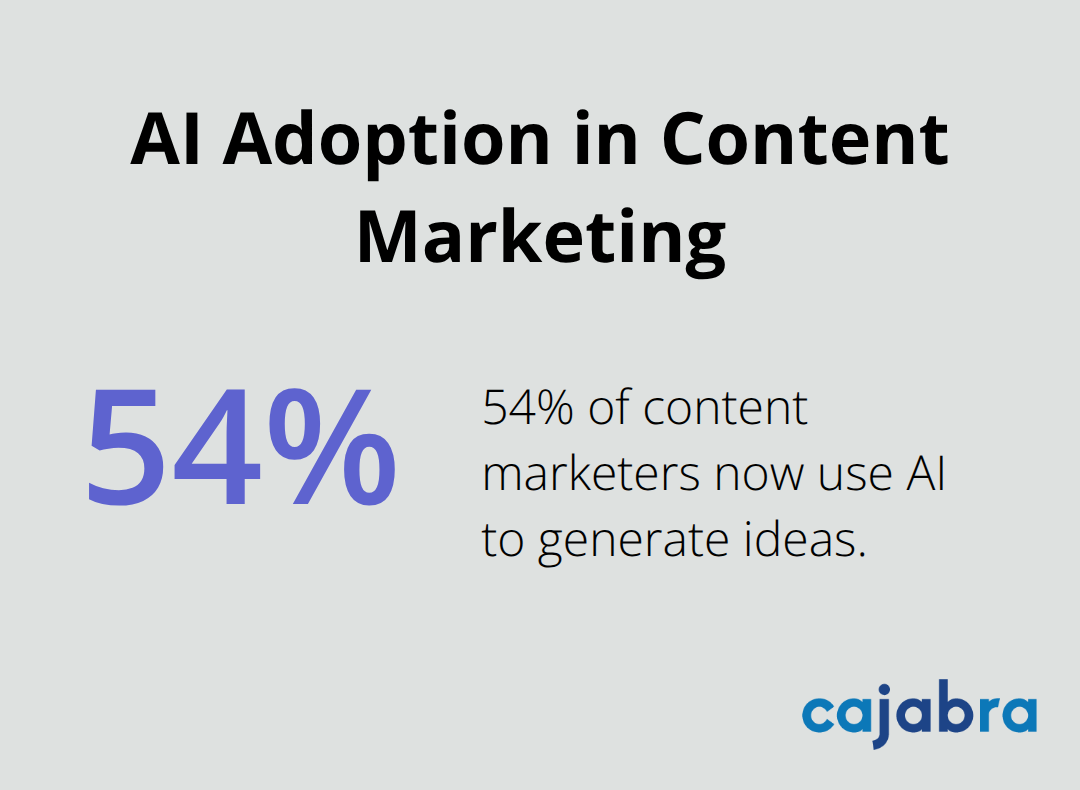
The right tools transform content creation from random brainstorming to systematic idea generation. Content creators who use data-driven tools produce more content, with 54% of content marketers now using AI to generate ideas according to recent research, but most marketers waste time with the wrong applications. Smart content creators focus on three tool categories that deliver measurable results.
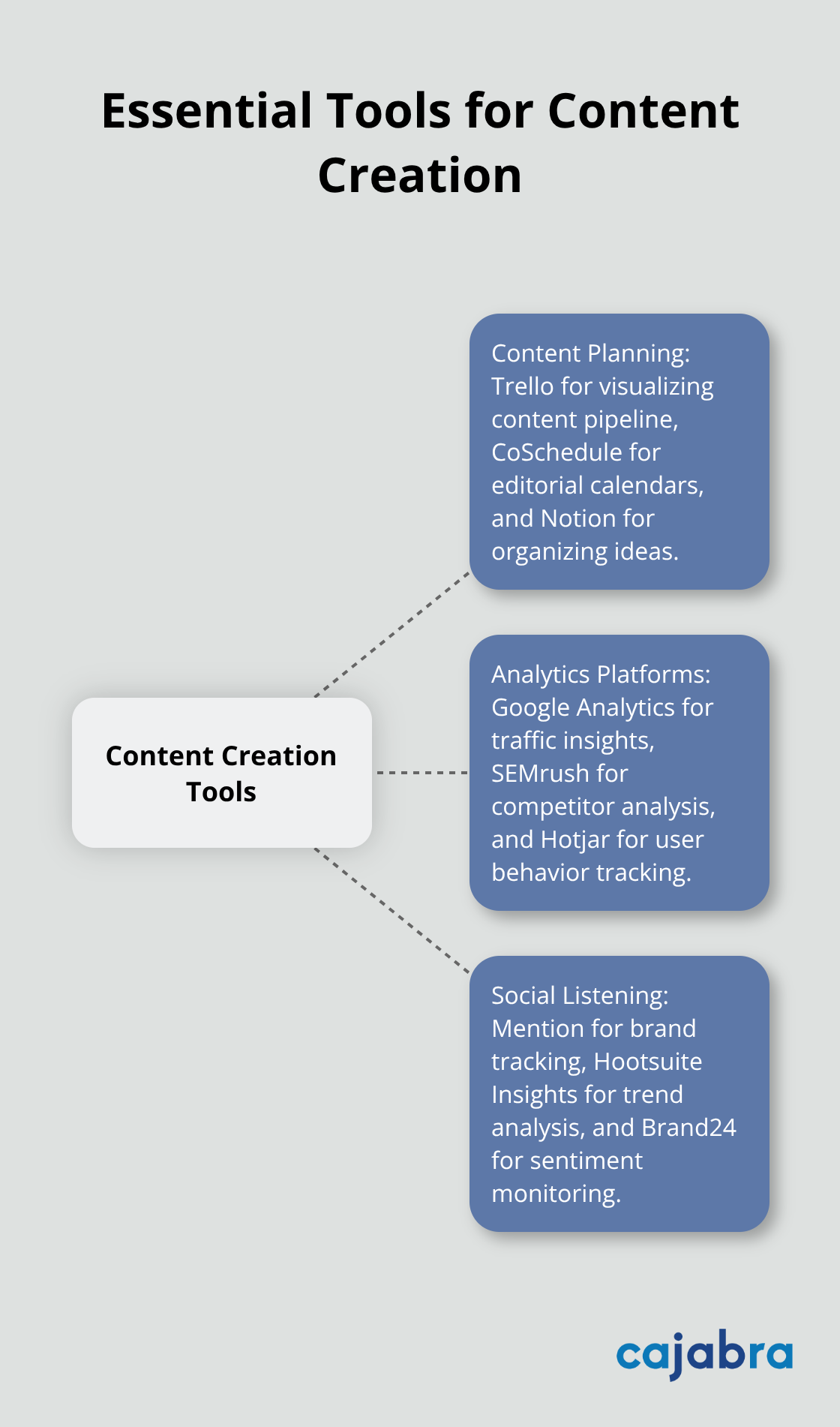
Trello beats complex project management software for content planning because it visualizes your entire content pipeline without overwhelming features. Create boards for different content stages - Ideas, In Progress, and Published - then move cards through your workflow. CoSchedule provides editorial calendar functionality that shows content gaps and helps you maintain consistent publishing schedules. The platform integrates with WordPress and social media accounts, streamlining your entire content process. Notion combines note-taking with database functionality, allowing you to tag content ideas by topic, difficulty level, and target audience. These tools work because they organize scattered ideas into actionable content plans that prevent last-minute scrambling for topics.
Google Analytics reveals which topics drive the most traffic and engagement, but most creators only check pageviews instead of diving deeper into user behavior metrics. Look at engagement metrics and bounce rates to identify topics that truly engage readers. SEMrush provides competitor content analysis that shows which topics generate backlinks and social shares in your industry. The platform's Content Audit tool identifies your underperforming posts that need updates or could inspire new angles (this feature saves hours of manual analysis). Hotjar heatmaps show how readers interact with your content, revealing which sections hold attention and which get skipped entirely.
Mention tracks brand and keyword mentions across social media, blogs, and news sites, alerting you to emerging conversations before they peak. Set up alerts for industry terms and competitor names to spot content opportunities while they're fresh. Hootsuite Insights analyzes social media conversations to identify trending topics and sentiment patterns in your niche. The platform shows which content formats perform best on each social channel, helping you adapt ideas for maximum reach. Brand24 monitors online discussions and provides sentiment analysis that reveals what frustrates your target audience, creating direct pathways to helpful content topics. These tools work because they capture real-time conversations that traditional keyword research misses (giving you first-mover advantage on trending topics).
Successful content creators follow systematic approaches rather than rely on random inspiration. The most effective strategy combines audience research with data-driven tools to generate blog content ideas that consistently engage readers. Start by analyzing your audience demographics through Google Analytics and social media insights, then identify their specific pain points through forums and comment sections.
Use keyword research tools like SEMrush and Ahrefs to find moderate-competition terms with real search demand. Repurpose your top-performing content by expanding successful topics into focused articles. Monitor competitor content and industry publications to spot gaps you can fill with superior resources (this approach reveals immediate opportunities others miss).
Content planning tools like Trello and CoSchedule organize your ideas into actionable workflows, while analytics platforms reveal which topics drive engagement. Social listening tools capture real-time conversations that traditional research misses. We at Cajabra, LLC help accounting firms implement systematic marketing approaches that generate consistent results. Start implementing these strategies today by choosing one audience research method and one content planning tool.