

Most accounting firms are stuck with marketing strategies that stopped working years ago. Traditional approaches drain your budget while your pipeline stays thin, and you're left juggling client work with the impossible task of finding new business.
At Cajabra, LLC, we've seen this pattern repeat across hundreds of firms. CPA marketing doesn't have to be this painful-the firms winning right now use a completely different playbook.
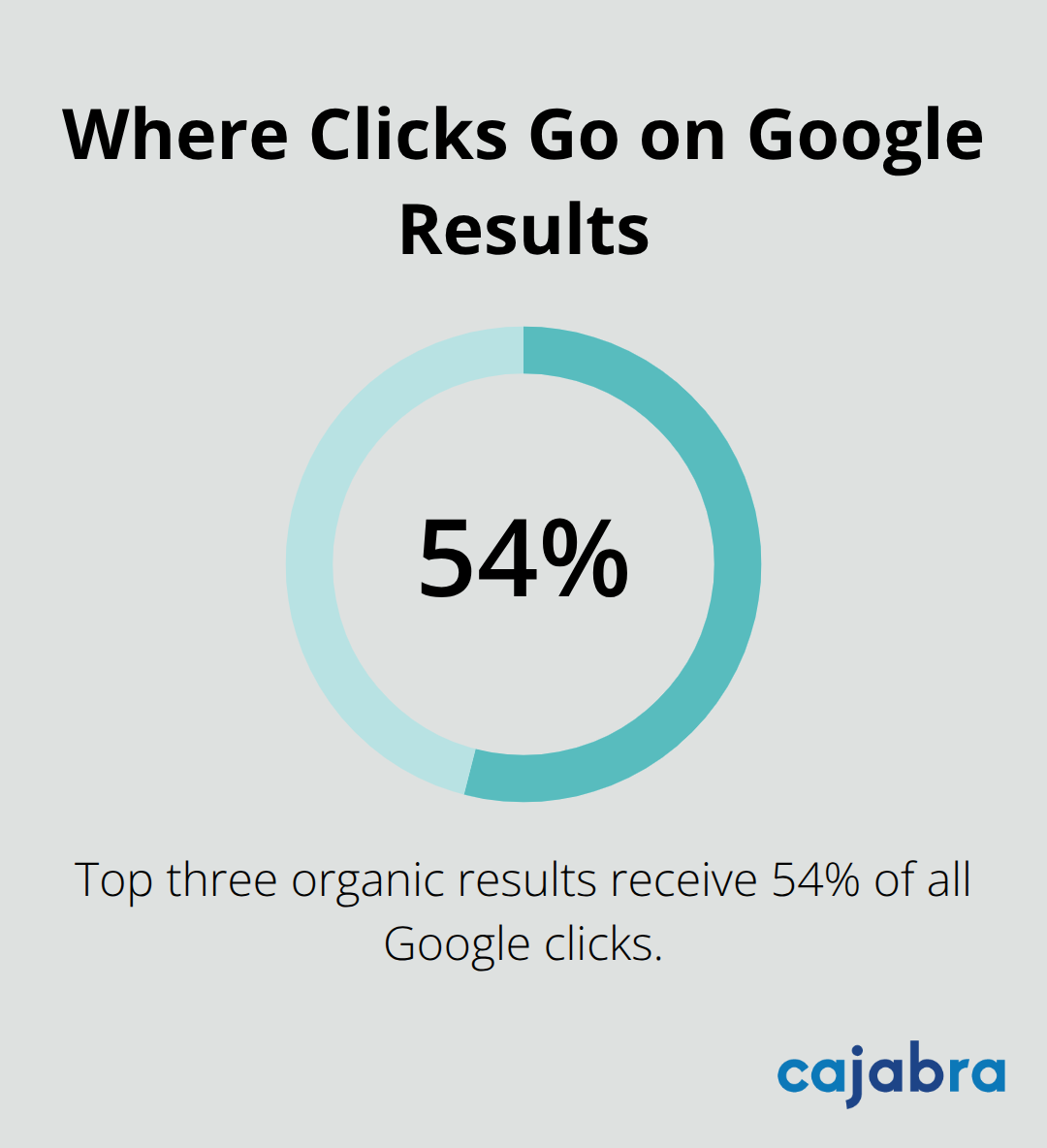
Referral-based marketing worked when clients had limited choices and limited access to information. Today, 54% of all clicks on Google go to the top three organic results, which means if you're not ranking for the services your ideal clients actively search for, they find your competitors instead. Most accounting firms still operate as though word-of-mouth and occasional networking events will fill their pipeline, but this approach leaves massive gaps.
You compete against firms that show up in local search results, maintain active social media presence, and publish content that answers the exact questions your prospects ask. The firms winning in 2025 stopped waiting for referrals to arrive and started building systems that attract clients on demand.
Accountants train to solve complex tax problems and manage client finances, not to run paid search campaigns or optimize landing pages for conversion. When firms handle marketing internally, they pull billable hours away from client work to post on LinkedIn or update their website. This creates a false choice between growth and revenue. A partner at a mid-sized firm spends five hours per week on marketing tasks that generate zero qualified leads, while their highest-value clients receive less attention. The math doesn't work.
Additionally, DIY marketing lacks consistency. You post for two weeks, then tax season arrives and you disappear for three months. Your website hasn't been updated in two years. Your Google Business Profile contains outdated hours and no recent photos. Prospects judge your credibility heavily on website design and responsiveness. When your digital presence reflects neglect, it signals that your firm might not handle their finances with the same care.
Accountants need specialized marketing support that understands their business model, their service complexity, and their ideal client profile. Generic marketing agencies waste your budget on tactics that don't convert prospects into retainer clients. They apply one-size-fits-all strategies that work for e-commerce or SaaS but fail for professional services. Your firm operates on retainer relationships and long sales cycles, not impulse purchases. Standard agencies don't grasp this difference, so they measure success by vanity metrics (social media followers, website traffic) rather than actual client acquisition and revenue growth.
The accounting firms that win in 2025 partner with specialists who understand their market and can build systems that work within their constraints.
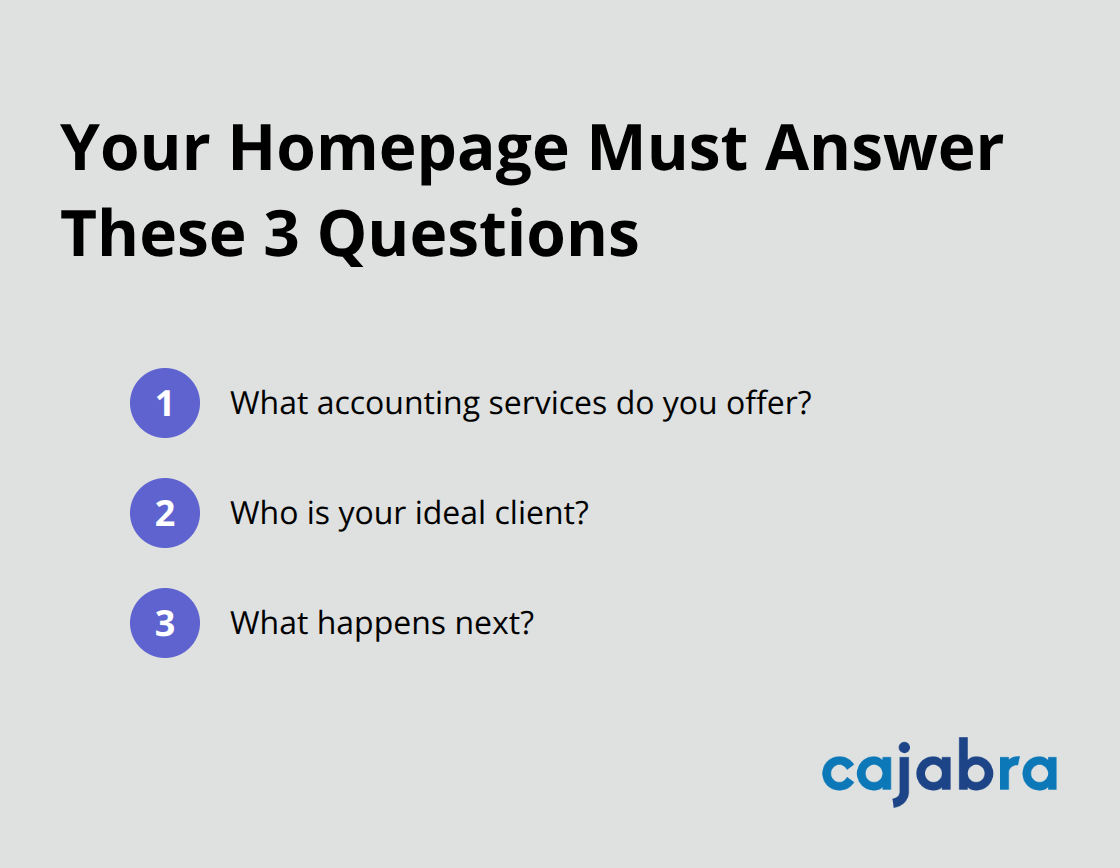
Your website is either your best client acquisition tool or your biggest liability. Firms that convert prospects into retainer clients build websites around one principle: make it obvious what you do and who you serve. Your homepage must answer three questions in the first ten seconds. What accounting services do you offer? Who is your ideal client? What happens next?
A vague homepage that lists fifteen services appeals to no one. Specificity attracts.
If you target real estate investors, your site should feature case studies showing how you reduced their tax burden, not generic language about tax preparation. As of Q1 2025, 62.73% of all web traffic was accessed through mobile phones. That's not opinion-it's how buying decisions start. Your site needs fast load times, clear navigation, and a visible call to action on every page. Most accounting firm websites fail here. They're cluttered with jargon, outdated photos, and buried contact information.
The firms winning in 2025 have websites that funnel prospects toward a specific action: scheduling a consultation, downloading a resource guide, or requesting a proposal. Pair this with local SEO optimization so when prospects search for an accountant in your area, your firm appears in the top three results where 56% of business owners manage their local presence. Update your Google Business Profile with current hours, recent photos, and client reviews. This single step costs nothing and dramatically improves your visibility.
Automation separates firms that scale from firms that stay stuck. When you manually manage client intake, follow-ups, and nurture campaigns, you sacrifice consistency and time. The accounting firms with the healthiest pipelines automate repetitive tasks so partners focus on closing business and serving clients.
Set up automated email sequences that deliver value to prospects before they ever talk to you. If someone downloads your tax planning guide, they should receive a sequence of emails with additional insights, regulatory updates, and a clear path to a conversation. Use tools that integrate your website forms, email platform, and calendar so leads move through your funnel without manual intervention. This creates predictable lead flow instead of feast-or-famine cycles.
Retainer-based service models demand consistency, and consistency requires systems. When you nurture fifty prospects simultaneously through automated sequences while your team focuses on high-value conversations, your conversion rate climbs. The math is simple: more touches, more conversions, more retainer clients. Firms that resist automation because they prefer personal relationships make a false choice. Automation handles the repetitive work so you have more time for genuine relationships with qualified prospects.
The next section reveals how to position your firm as the obvious choice in your market-not through flashy branding, but through systems that demonstrate real expertise and deliver measurable results.
Your brand identity doesn't emerge from design work done in a vacuum. It emerges from solving specific problems better than anyone else in your market. The accounting firms that stand out in 2025 don't compete on price or size. They win by becoming the obvious choice for a narrow group of clients. If you serve real estate investors, every part of your marketing should reflect deep expertise in real estate tax strategy, not generic accounting language. Your website content, email sequences, and social media should answer questions only real estate investors ask. This specificity makes you memorable and trustworthy to the exact people who will pay retainer fees.
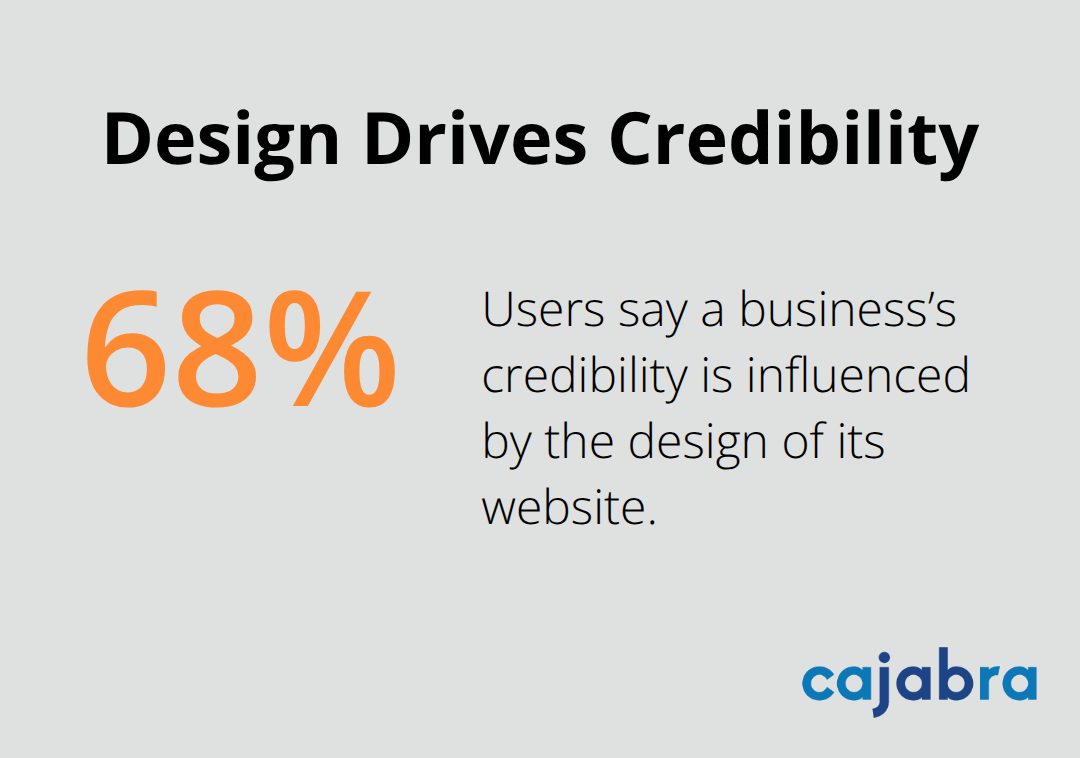
Your online reputation directly influences whether prospects hire you. According to Stanford Web Credibility Research, 68% of users say a business's credibility is influenced by the design of its website. That's before they read a single word about your services.
Your website must load fast on mobile devices, display client testimonials prominently, and make it obvious what your firm does and who you serve best. Include team bios with credentials so prospects connect with actual people, not a faceless corporation. Add an FAQ section that answers the exact objections preventing prospects from booking a consultation. When someone lands on your site after searching for tax strategies for their industry, they should find content that speaks directly to their situation within seconds.
Content marketing for accounting firms works differently than it does for other industries. Your goal isn't to go viral on social media or rack up website traffic. Your goal is to attract qualified prospects who become retainer clients. That means you must publish content that addresses real problems your ideal clients face. If you work with SaaS founders, publish articles about equity compensation tax planning, R&D tax credits, and venture capital reporting requirements. Each piece of content should answer a specific question your prospects are already searching for. Tools like Ahrefs or Semrush reveal exactly what terms your ideal clients search for, what questions they ask, and how much monthly search volume exists for those topics.
Consistency matters more than frequency. One high-quality article per week that ranks in Google search results generates more qualified leads than daily social media posts to an audience that doesn't convert. Focus on platforms where your ideal clients actually spend time. LinkedIn works exceptionally well for accounting firms because business owners and finance leaders use it professionally. Share insights about tax law changes, regulatory updates, and strategic planning. Email newsletters deliver even stronger results because you reach people who've already shown interest in your firm. Segment your email list so real estate investors receive content about property depreciation while tech founders receive content about equity taxation. This targeted approach converts far better than sending the same generic newsletter to everyone.
Your website needs a clear conversion path. Too many accounting firm websites treat every page like a brochure instead of a lead-generation tool. Each page should guide visitors toward a specific action: you want them to download a tax planning guide, schedule a consultation, or request a proposal. When someone downloads your guide, they enter an automated email sequence that delivers additional value and builds trust. After three to five emails, a prospect either schedules a call or moves to the bottom of your funnel for longer nurturing. This system works because it removes the pressure of manually following up with every prospect. Your automation handles the repetitive touches while you focus on conversations with qualified leads.
The firms that generate consistent retainer revenue use sales funnels to attract clients. If you offer tax planning services, your funnel might start with a free tax strategy assessment. A prospect answers questions about their situation, and your system automatically schedules them with a partner. If you offer bookkeeping and advisory services, your funnel might start with a business health check that reveals gaps in their current accounting process. Each funnel should feel natural to your ideal client, not like a generic sales pitch. The goal is to demonstrate expertise before you ask for money. When prospects experience your knowledge and process firsthand, they're far more likely to sign retainer agreements.
The accounting firms that transformed their business in 2024 invested in CPA marketing systems that work while they focus on client service. Your website now converts prospects into retainer clients, your content attracts the exact people who need your expertise, and your automation handles follow-ups so qualified leads move through your funnel consistently. These systems represent the baseline for competing in 2025, not optional upgrades.
The real ROI of professional CPA marketing appears in retainer revenue, predictable pipeline growth, and the ability to turn away clients who don't fit your ideal profile. When you build systems that attract qualified prospects automatically, you stop chasing business and start choosing it. Partners reclaim time previously wasted on marketing tasks, and your team focuses on high-value client work instead of administrative overhead.
The firms winning right now started somewhere-they made one change, updated their website, published their first piece of targeted content, or set up their first automated email sequence. Start with your website and make it clear who you serve and what happens next. Add one piece of content that answers a question your ideal clients actually search for, then set up one automated email sequence that delivers value before you ask for anything. Explore how Cajabra can transform your firm and move from overlooked to overbooked through systems that work while you sleep.